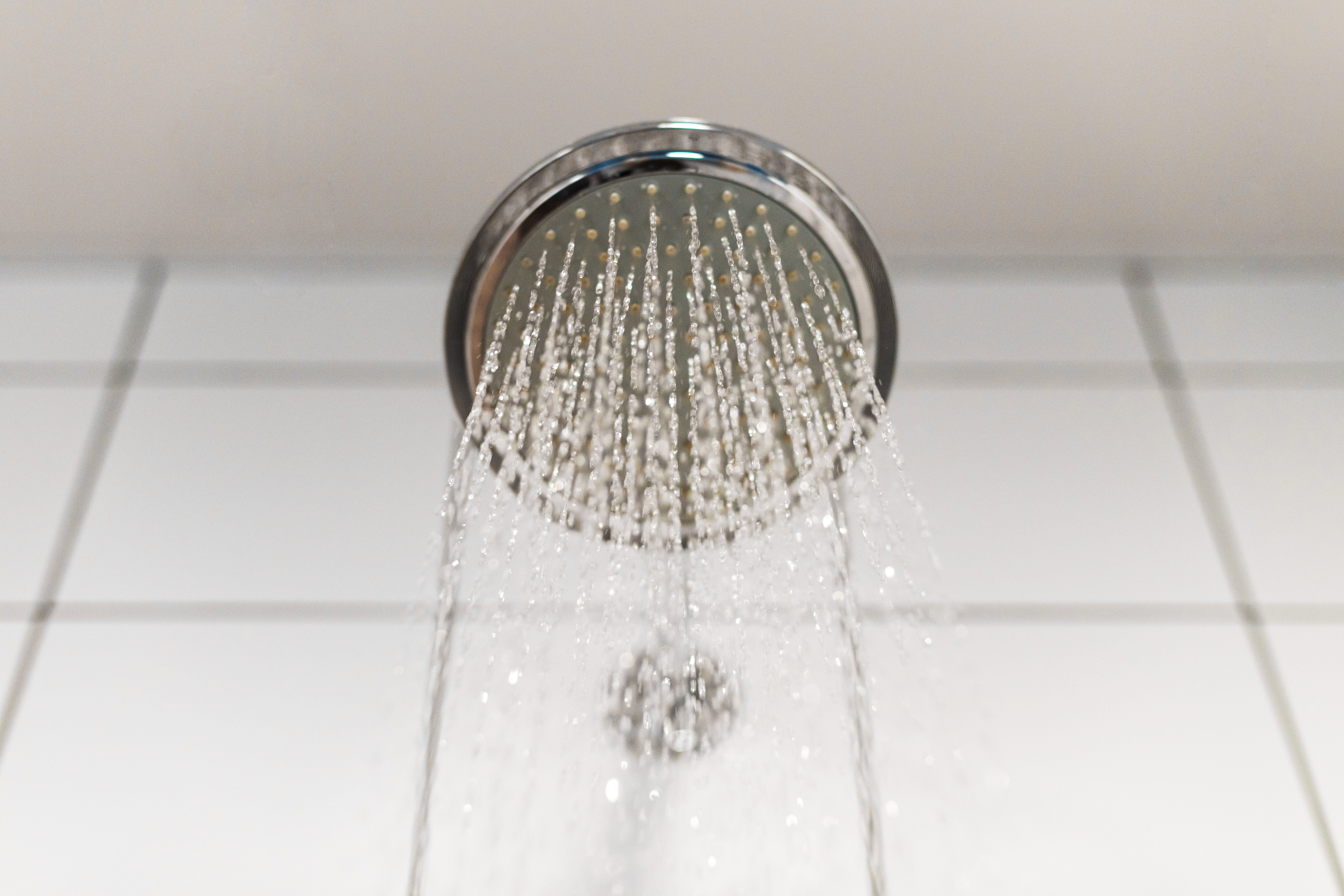


Few household frustrations are more noticeable than taking a shower and running out of hot water halfway through. Sometimes the change happens suddenly, but more often, you notice a gradual decline. While occasional fluctuations can occur, consistently running out of hot water often signals that something inside the water heater is no longer functioning properly.
Why Hot Water Supply Changes Over Time
Water heaters work hard to provide hot water for showers, laundry, dishwashing, and other household tasks. Like any appliance, they experience a good amount of wear and tear. As components age, efficiency can decline. Mineral deposits can accumulate inside the tank, heating elements can wear out, and those that use gas can develop burner-related issues. Even if the water heater continues operating, these changes may reduce its ability to heat and store water effectively.
Your Hot Water Runs Out Faster Than It Used To
A water heater that once supported multiple showers may suddenly begin to struggle to provide enough hot water for one. You may notice that showers become colder more quickly or that hot water disappears during routine household tasks. Several issues can contribute to this symptom. Mineral buildup can reduce the amount of usable hot water inside the tank. Aging components may also reduce heating efficiency, making it harder for the system to meet demand.
Temperature Fluctuations Throughout the Day
Inconsistent water temperature often indicates that the system is having trouble maintaining proper performance. You may notice sudden changes between hot and lukewarm water. You may also have water that never reaches the desired temperature. These fluctuations may point to thermostat issues, failing heating elements, burner problems, or other internal concerns. Never ignore temperature instability, especially if it becomes more frequent over time.
Longer Recovery Times After Heavy Use
Recovery time refers to how quickly the unit can restore its supply of hot water. A healthy system should do so within a reasonable period. However, as efficiency declines, recovery times often increase. You may notice that family members need to wait longer between showers or that the water heater takes much longer to recover after running the dishwasher or washing machine. Long recovery times often indicate that the system is working harder than it should.
Mineral Buildup Can Reduce Performance
Many water heaters accumulate minerals from the local water supply. These minerals will settle to the tank’s bottom and create a layer of sediment. As the sediment thickens, it creates a barrier between the heat source and the water. This makes it more difficult to transfer heat efficiently.
The result tends to be a reduced hot water capacity, slower recovery times, and increased energy consumption. Sediment can also contribute to unusual noises and additional wear on internal components.
Rumbling, Popping, or Banging Sounds
Water heaters tend to operate quietly. When unusual noises begin coming from the tank, it can be a sign of an internal problem. Rumbling, popping, and banging sounds frequently occur when sediment accumulates. As water becomes trapped, it can cause noise during heating. These sounds may seem harmless at first, but they often indicate declining efficiency and increased stress on your equipment.
Discolored or Rust-Colored Water
Changes in water appearance will provide you with clues about the water heater’s condition. Rust-colored water often means there is corrosion within the tank or on related components. Sediment disturbances will affect water clarity and appearance. While discolored water does not always mean the water heater is failing, do not ignore it.
Multiple Fixtures Cause Hot Water Problems
As water heaters age, both gas and electric models often struggle to keep up with simultaneous demand. You may notice that one shower works fine until someone starts the dishwasher. Running a washing machine may suddenly reduce the amount of available hot water elsewhere in the house. This may indicate that the water heater no longer performs as it once did.
Age Can Be a Major Factor
Even well-maintained water heaters reach a point where age begins to affect their performance. Internal components wear out, and years of operation place continuous stress on the system. Older units often become less efficient and less reliable as they approach the end of their expected lifespan.
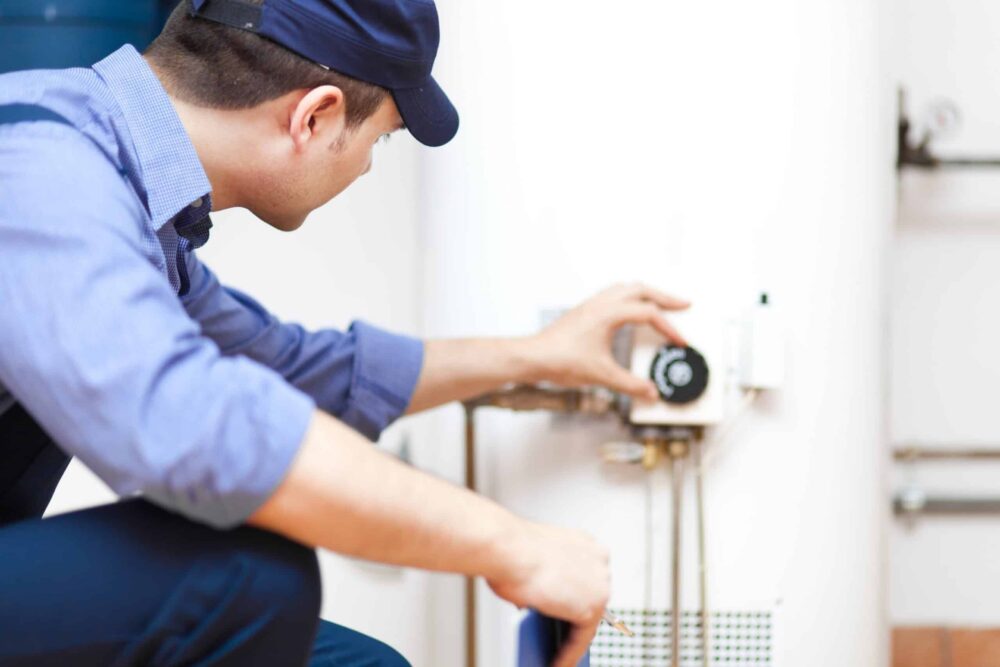
You may adapt gradually to declining performance without realizing how much hot water capacity you have lost. A professional evaluation can help determine whether a water heater repair will improve performance.
When to Schedule Professional Water Heater Service
A water heater that struggles to provide reliable hot water is often trying to tell you something. Ignoring these signs can allow performance issues to worsen. In some cases, you eventually find yourself dealing with a complete no hot water situation that requires urgent attention. If your water heater no longer performs the way it once did, Stang Plumbing can help. With over 75 years of experience in the Gaithersburg area, you can trust our expertise.
Contact us at Stang Plumbing today to schedule a water heater inspection and keep your hot water flowing.